In short
- The official tourist circuit covers 1.5 kilometers and takes about one hour.
- Exploring outside the designated path is illegal and carries heavy fines.
- The unmapped quarries contain hazards like cave-ins and no phone service.
In this article
The Paris Catacombs hold the remains of approximately six million people in a small, secured section of a vast underground network. While the official museum path is safe and well-lit, the surrounding 300 kilometers of former limestone quarries are off-limits. Here is what you need to know about the rules and risks of venturing off the legal circuit.
Can you go off the path in the Paris Catacombs?
No, going off the designated 1.5-kilometer tourist path is strictly prohibited.
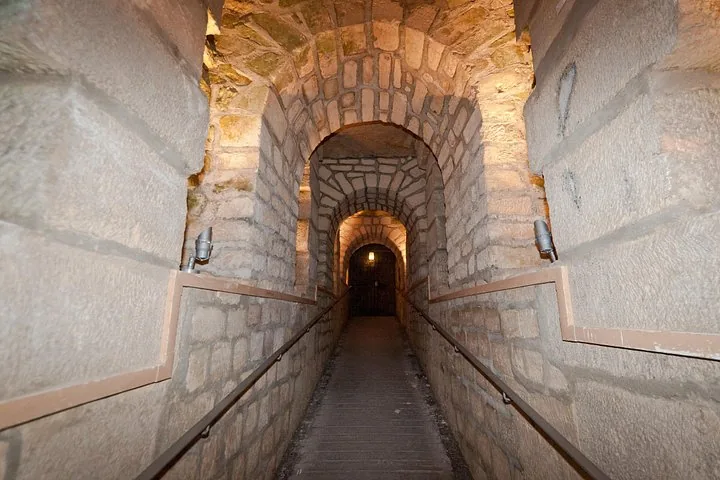
The official museum route is carefully maintained and supervised for visitor safety. The restricted zones are unlit, structurally unstable, and lack any mobile phone reception.
What is the difference between the legal and illegal areas?
The legal area is a secure 1.5-kilometer ossuary, while the illegal area is a vast, unmapped network of quarries.
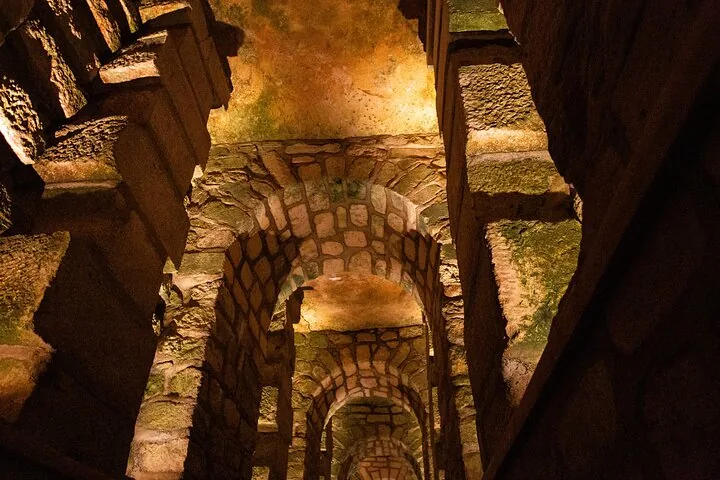
The official Paris Catacombs path is a controlled environment managed by Paris Musées. The surrounding network, often called the "cataphile" tunnels, spans roughly 300 kilometers under the city. These old Lutetian limestone quarries are dangerous, featuring deep water, structural collapses, and complex mazes.
| Feature | Legal Tourist Path | Illegal Quarries |
|---|---|---|
| Length | 1.5 kilometers | Roughly 300 kilometers |
| Status | Secure museum environment | Restricted, unmapped hazards |
| Access | Ticketed entry at Denfert-Rochereau | Forbidden; entry via manholes |
Are there tours that access restricted areas legally?
Yes, some guided tours offer legal access to specific locked chambers within the museum.
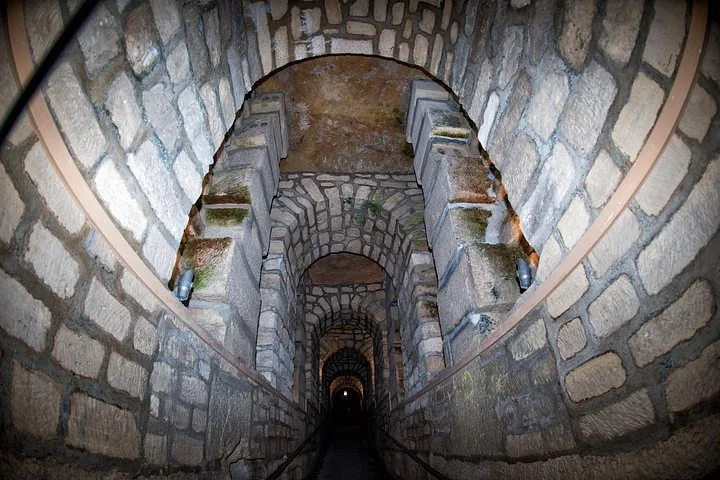
You can book specialized guided tours that open locked gates along the official route. These tours include areas normally closed to the general public, such as the Sacellum Crypt or the Crypt of Passion.
Why were the Paris Catacombs built?
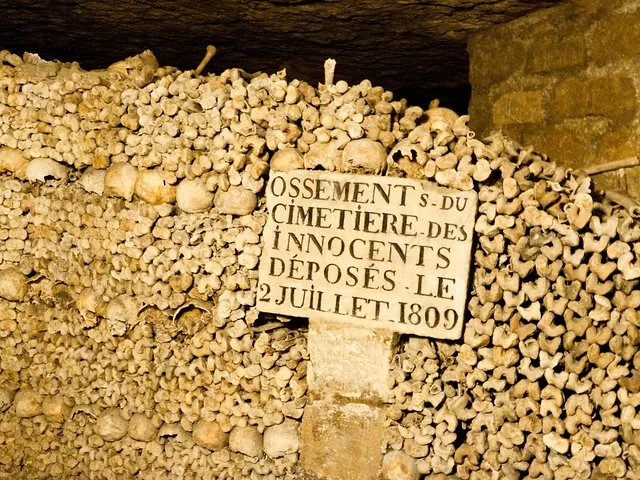
They were created in the late 18th century to solve public health issues from overflowing cemeteries.
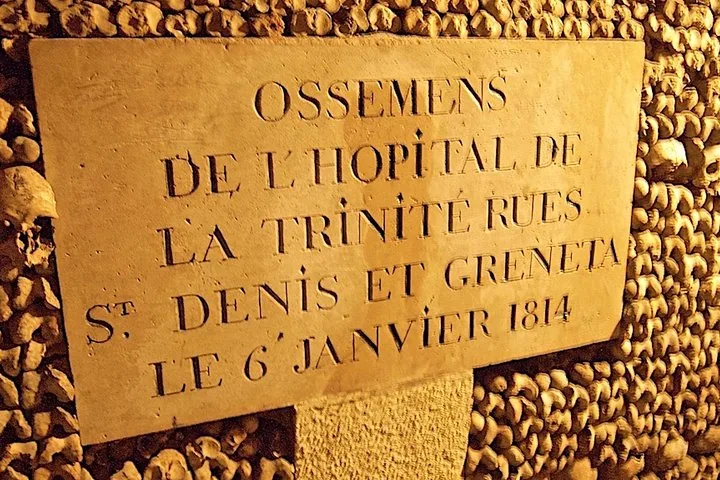
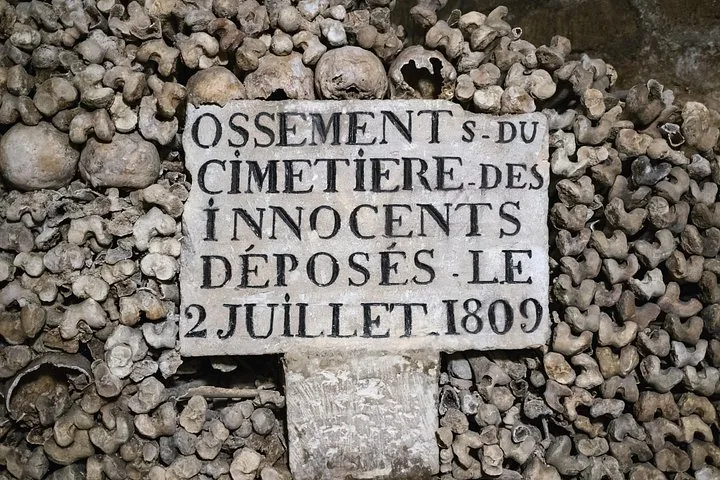
As Paris grew, its cemeteries became overcrowded and posed severe health risks. The city decided to transfer remains into a section of abandoned limestone quarries 20 meters underground. Today, the bones are artistically arranged into walls and monuments.
What happens if you get caught in the illegal tunnels?
You will face heavy fines and potential legal action from the specialized police force.
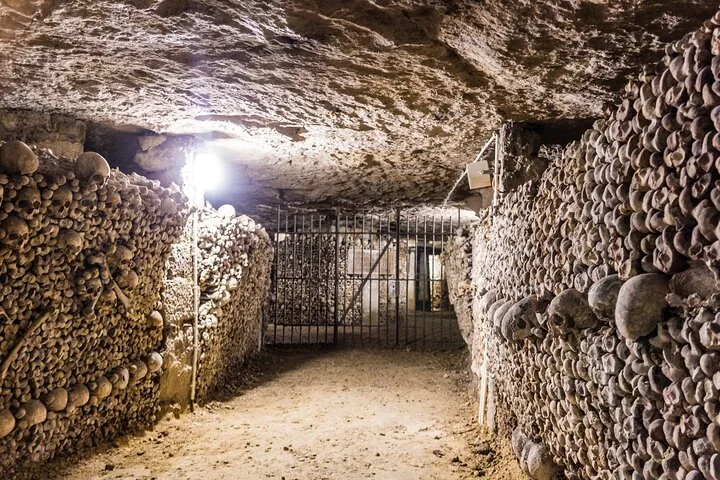
A dedicated police unit, known as the "cataflics," patrols the illegal tunnel network. If caught, trespassers receive significant fines. More importantly, getting lost in the unmapped quarries can be fatal due to the constant 14°C (57°F) temperature and lack of communication tools.
Is the official Paris Catacombs tour worth it?
Yes, the legal 1.5-kilometer circuit offers a safe and fascinating look at the ossuary.
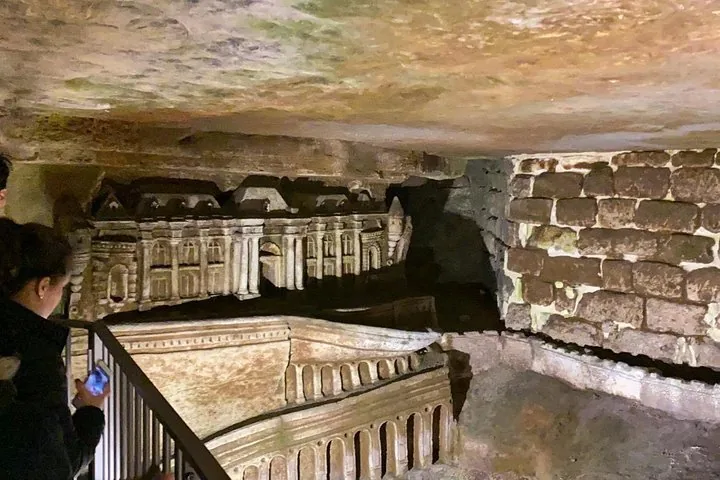
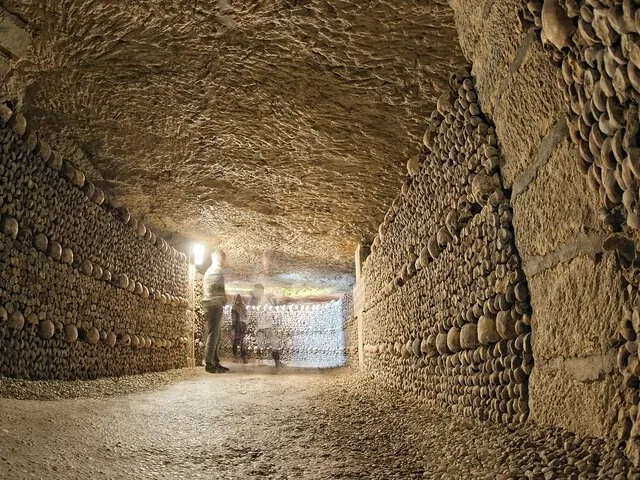
The designated path takes about an hour to complete and features dramatic, mausoleum-like walls composed of skulls and bones. It includes fascinating stops like the Port-Mahon Sculptures and the Barrel. You must descend 131 steps to enter and climb 112 steps to exit.
Questions travellers ask
How much does the legal Paris Catacombs tour cost?
Standard admission is €31 for adults, which includes an audio guide. Reduced and child rates are listed on the official site. Children aged 0-4 enter for free.
Do I need to book Paris Catacombs tickets in advance?
Yes, online booking is mandatory. Tickets become available exactly 7 days in advance via the official website.
Is it cold inside the Paris Catacombs?
Yes, the temperature remains a constant 14°C (57°F) year-round with high humidity. You should bring a light sweater or jacket.